
Wicker Care Guide and 7 Must-Have Furniture & Décor Pieces
Wicker has long held a special place in the world of home décor. Its warm, handcrafted look adds character and coziness to just about any space—be it a breezy beach house, a rustic cottage, or a sleek modern loft. While wicker furniture and accents were once considered seasonal or outdoor-only, designers today are embracing wicker year-round in every room of the home. Whether it’s a statement pendant light or a boho-style basket for blankets, wicker seamlessly blends into a variety of aesthetics.
:strip_icc()/Patio-Furniture-Set-b7cf44e644154c1a907b8767f28291df.jpg)
What makes wicker so universally loved is its natural texture, lightweight feel, and earthy presence. It’s as much a design staple as it is functional. And thanks to today’s wide range of synthetic and natural materials, wicker can be incredibly durable when cared for properly. But just like any cherished item, it needs a little TLC to stay beautiful and last for years to come.
Why Proper Wicker Care Matters
Extending Lifespan

Natural wicker, usually made from rattan, reed, or bamboo, is prone to drying out and cracking if left untreated—especially when exposed to direct sunlight or moisture. Without regular maintenance, even the most high-quality wicker pieces can deteriorate quickly. With proper care, however, wicker can last for decades while maintaining its classic appeal.
Indoor vs. Outdoor Wicker
Not all wicker is created equal. Indoor wicker tends to be more delicate, while outdoor versions are often made from synthetic resins like polyethylene, which are more resilient to the elements. But even synthetic wicker needs occasional upkeep. Exposure to rain, UV rays, or extreme temperatures can cause it to fade, become brittle, or grow mold if not cleaned properly.
Material Considerations
Before you start scrubbing or sealing, it’s important to identify what kind of wicker you have. Natural wicker requires gentler handling and specific care techniques, while synthetic versions can withstand harsher treatment. Always check the manufacturer’s instructions if you’re unsure—it can save you from making a costly mistake.
Essential Wicker Care Tips
Cleaning Natural Wicker
:strip_icc()/wicker-furniture-around-stone-fire-pit-Fo1cc8-iKve8n7TPJAiBo6-4ac484330ebc4367a198d64d051ac13f.jpg)
Start by dusting regularly with a soft cloth, vacuum brush attachment, or feather duster. For a deeper clean, dip a soft toothbrush or small scrub brush into a mixture of warm water and mild dish soap. Lightly scrub the crevices and avoid oversaturating the material. Let it dry completely—preferably in a shaded, breezy area.
Caring for Synthetic Wicker
Synthetic wicker is more forgiving. Hose it down with water or clean with a mix of dish soap and warm water using a sponge or soft brush. It’s still important to avoid leaving it wet too long. After rinsing, wipe it down or let it air dry in the shade to prevent mold buildup.
Preventing Mold, Mildew, and Cracking
Avoid placing wicker furniture directly on damp surfaces or in areas without ventilation. If you live in a humid climate, consider using a dehumidifier indoors. During colder months or rainy seasons, cover your outdoor wicker furniture or store it indoors. You can also apply furniture wax or linseed oil to natural wicker to help lock in moisture and add shine.
7 Must-Have Wicker Furniture & Décor Pieces
Now that you know how to take care of it, here are ten stylish and functional wicker pieces you should absolutely consider adding to your space:
1. Wicker Armchairs

A timeless choice for any living room, bedroom, or patio. Their airy design adds warmth without looking bulky. Look for cushions in neutral tones for a cozy, coastal vibe.
2. Wicker Coffee Tables
Whether rectangular or round, a wicker coffee table adds a rustic charm to modern interiors. Some include built-in storage for a clutter-free space.
3. Wicker Pendant Lighting
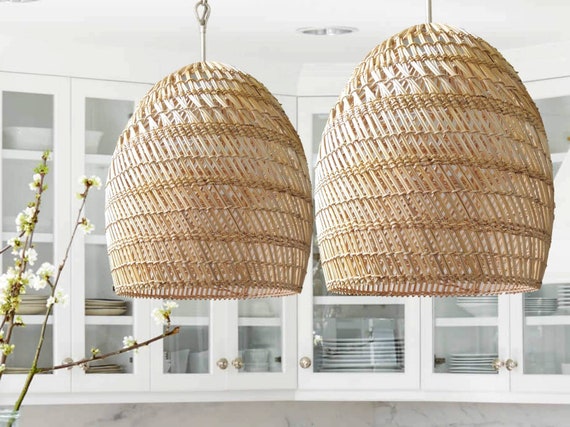
Wicker or rattan pendants are trending for good reason—they cast beautiful shadows and instantly elevate kitchens, bedrooms, or dining areas with texture and warmth.
4. Wicker Planters
Add life to any corner with natural or painted wicker planters. They’re lightweight, stylish, and a perfect match for leafy greens or florals.
5. Wicker Wall Mirrors

Framed in woven wicker, these mirrors create a boho-chic aesthetic while reflecting light and making smaller rooms feel larger and more open.
6. Wicker Baskets
From organizing linens to storing toys or firewood, baskets are the most versatile wicker item you can own. They’re both functional and decorative.
7. Wicker Bed Frames
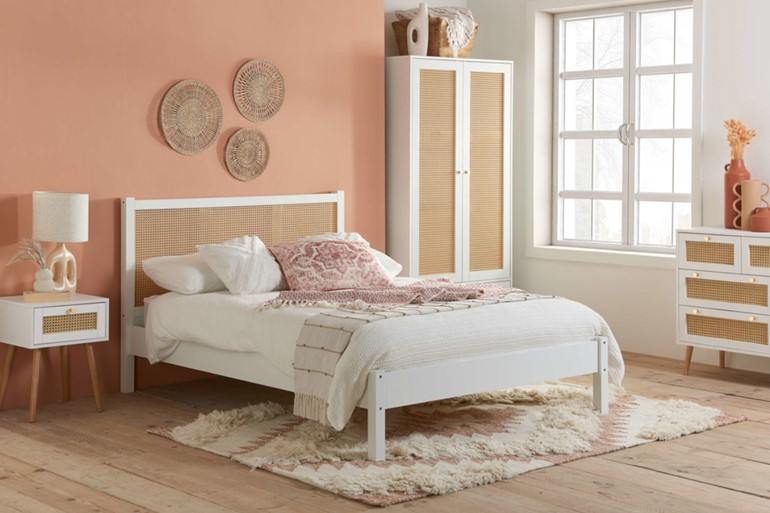
For a dreamy, nature-inspired bedroom, try a headboard or full bed frame made of wicker. These pieces exude a breezy resort-like feel.
Table of Contents
| Main Section | Subtopics |
|---|---|
| The Timeless Charm of Wicker | |
| Why Proper Wicker Care Matters | – Extending Lifespan – Indoor vs Outdoor Wicker – Material Considerations |
| Essential Wicker Care Tips | – Cleaning Natural Wicker – Caring for Synthetic Wicker – Preventing Mold, Mildew, and Cracking |
| 10 Must-Have Wicker Furniture & Décor Pieces | – Wicker Armchairs – Wicker Coffee Tables – Wicker Pendant Lighting – Wicker Planters – Wicker Wall Mirrors – Wicker Baskets – Wicker Bed Frames – Wicker Patio Sets – Wicker Dining Chairs – Wicker Room Dividers |
| FAQs About Wicker Furniture | |
| Conclusion: Bring Home the Warmth of Wicker |
FAQs About Wicker Furniture
Can wicker furniture be left outside all year round?
Synthetic wicker can usually withstand year-round outdoor exposure, but it’s still best to use covers or store it indoors during extreme weather. Natural wicker should be brought inside during wet or cold seasons.
How do I restore faded wicker?
For natural wicker, you can lightly sand the surface and apply a furniture-grade wood stain or oil. For synthetic wicker, use a UV-protective spray or specialized plastic restorer.
Is wicker pet- and kid-friendly?
Wicker is relatively safe, but sharp pet claws or rough play may damage the weaving. Look for reinforced or resin-wrapped options in high-traffic areas.
What’s the difference between rattan and wicker?
Wicker is a weaving technique, while rattan is the actual plant material. Rattan is often used to make wicker furniture, but not all wicker is made from rattan.
Can I paint wicker furniture?
Yes, especially natural wicker. Use a spray primer followed by a couple of coats of spray paint designed for wood or resin surfaces. Always paint in a well-ventilated area.
Conclusion: Bring Home the Warmth of Wicker
Wicker furniture and décor aren’t just passing design trends—they’re timeless, charming, and incredibly versatile. From cozy living rooms to serene patios, wicker brings a touch of the outdoors in, offering natural warmth, artisanal texture, and endless style potential. But as beautiful as it is, wicker does require a bit of care to truly shine year after year.
By understanding the difference between materials and applying regular maintenance techniques, you can keep your favorite wicker pieces looking like new. Whether you’re investing in a statement bed frame or adding a few chic baskets to your shelves, wicker is a design decision you’ll never regret.
So go ahead—embrace the woven beauty of wicker, and let it transform your home into a space that’s both grounded and inviting.
Leave a Reply