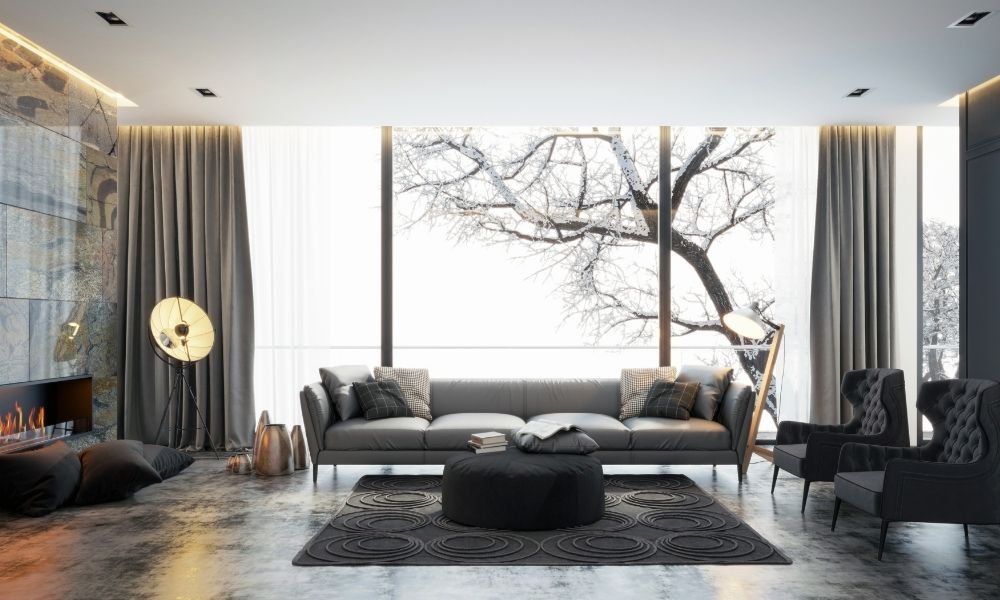
The Art of Minimalism in Luxury Design
Minimalism and luxury might seem like an unlikely pair at first glance—almost like visual opposites. One is rooted in restraint, simplicity, and pared-down aesthetics; the other often evokes images of opulence, grandeur, and abundance. But in the ever-evolving world of design, these two seemingly contrasting styles have come together to form a compelling new movement: minimalist luxury. And it’s not just a passing trend—it’s a reflection of deeper lifestyle shifts toward mindfulness, intentionality, and refined elegance.
Today, luxury no longer screams; it whispers. It’s no longer about flashy logos or overdecorated rooms filled with status symbols. Instead, it’s about precision, subtlety, and the quiet power of thoughtful choices. Minimalist luxury focuses on quality over quantity, on pieces that are timeless rather than trendy, and on the feeling a space or item evokes rather than how much of it there is. It’s about curating, not accumulating.

In this refined approach, less truly becomes more. Every object, material, and line has a purpose. There’s a sense of freedom in uncluttered space, a kind of visual and emotional clarity that can’t be replicated by excess. A single handcrafted table made from reclaimed wood might become the soul of a room, far outshining any number of decorative accessories. In minimalist luxury, restraint is not a limitation—it’s an art form.
From architecture that favors clean lines and open spaces to interiors that celebrate natural light, rich textures, and muted tones, minimalist luxury is redefining what it means to live beautifully. It’s influencing everything from fashion—where quiet luxury and logo-less tailoring reign supreme—to lifestyle choices, like investing in fewer but better products, or designing homes that feel like sanctuaries from the noisy, overstimulated world outside.
This design philosophy isn’t just about aesthetics; it’s about how we live and what we value. It invites us to slow down, to be more deliberate in our surroundings, and to find elegance in restraint. And in doing so, it offers something profoundly luxurious: peace of mind.
Let’s take a closer look at how minimalist luxury works, why it’s resonating with a new generation of designers and homeowners, and how you can bring its calming, elevated energy into your own space—no matter your size or budget.
What Is Minimalist Luxury Design?
A Mindset Before a Style

Minimalist luxury design is more than a trend—it’s a mindset. It centers around the idea that true elegance comes from intention, not excess. Instead of relying on ornate detailing or overwhelming amounts of decor, minimalist luxury focuses on clean lines, open spaces, thoughtful textures, and a neutral color palette. The goal is to create an environment that feels both serene and elevated.
This approach doesn’t mean stripping everything down to bare walls and cold interiors. Rather, it’s about curating meaningful objects, investing in craftsmanship, and allowing space to breathe. Think wide-open layouts with natural light, luxurious materials like marble and oak, and furniture that makes a quiet but strong statement. Every element is considered—and nothing is unnecessary.
In architecture, this could look like floor-to-ceiling windows framing a view rather than hanging extravagant drapes. In interior design, it might mean replacing cluttered surfaces with one sculptural vase or a single iconic chair. The beauty of minimalist luxury is that it speaks softly, yet confidently.
Luxury minimalism isn’t about deprivation. On the contrary, it’s about surrounding yourself only with what serves a purpose or brings joy. It’s how a sleek black leather sofa can feel more indulgent than a room filled with ornate furnishings, simply because it invites comfort, intention, and high design.
The Core Principles Behind the Style
Simplicity, Purpose, and Quality

At the heart of minimalist luxury design are three driving principles: simplicity, purpose, and quality. These values work together to guide every choice, from layout and materials to color schemes and furnishings. Together, they create a refined environment that feels sophisticated but never sterile.
Simplicity doesn’t mean emptiness. It means removing visual noise so that each element can be fully appreciated. In luxury minimalism, this might look like a single, handcrafted pendant light suspended over a marble-topped kitchen island. Or it might be a monochromatic palette of soft whites and grays that allows natural textures—like stone or linen—to shine.
Purpose is equally crucial. Every item in a minimalist luxury space should serve a clear function or emotional connection. It’s not about filling a room with things—it’s about curating a meaningful experience. That could mean custom-built storage that hides clutter, or artwork chosen not just for beauty but for personal significance.
And then there’s quality—perhaps the cornerstone of minimalist luxury. Because you’re working with fewer pieces, each one needs to be exceptional. High-end materials, impeccable finishes, and enduring craftsmanship take center stage. A minimalist luxury sofa, for example, won’t just look good—it will feel good, age beautifully, and last for decades.
This trinity—simplicity, purpose, quality—reminds us that luxury isn’t about flaunting wealth. It’s about experiencing depth, mindfulness, and design that respects your lifestyle and the space you live in.
How Minimalism Elevates Luxury Living Spaces
When Space and Silence Become the Ultimate Luxury

One of the most striking aspects of minimalist luxury is how it transforms your relationship with space. In an age where our lives are filled with stimulation and stuff, a calm, uncluttered space feels like the ultimate indulgence. And that’s exactly what minimalist luxury offers—peace of mind, elevated through design.
Open layouts, clean lines, and expansive windows make a home feel larger, lighter, and more intentional. Without walls cluttered with art or side tables crowded with trinkets, the mind is free to rest. That kind of tranquility is rare—and incredibly luxurious. The space becomes not just beautiful, but restorative.
Lighting plays a major role here too. Instead of dramatic chandeliers or over-layered lamps, minimalist luxury opts for subtle, integrated lighting: recessed lights, soft under-cabinet glows, or hidden LED strips that highlight architectural features. This lighting is designed to enhance mood, not just visibility, creating a seamless ambiance that feels high-end without trying too hard.
Texture is another underrated hero in minimalist luxury. Since visual clutter is minimized, tactile richness takes over. Think of a mohair throw on a linen-upholstered bed, a buttery-soft leather bench, or matte-finish cabinetry paired with cool stone countertops. These sensory experiences elevate the space far more than ornate detailing ever could.
In kitchens and bathrooms, this philosophy shines through in sleek, handleless cabinetry, integrated appliances, and minimalist hardware. Everything has a place, and everything works together in harmony. That kind of intentional cohesion brings a level of polish and luxury that no maximalist approach can rival.
Minimalism in High-End Fashion and Lifestyle
Quiet Confidence Over Loud Statements
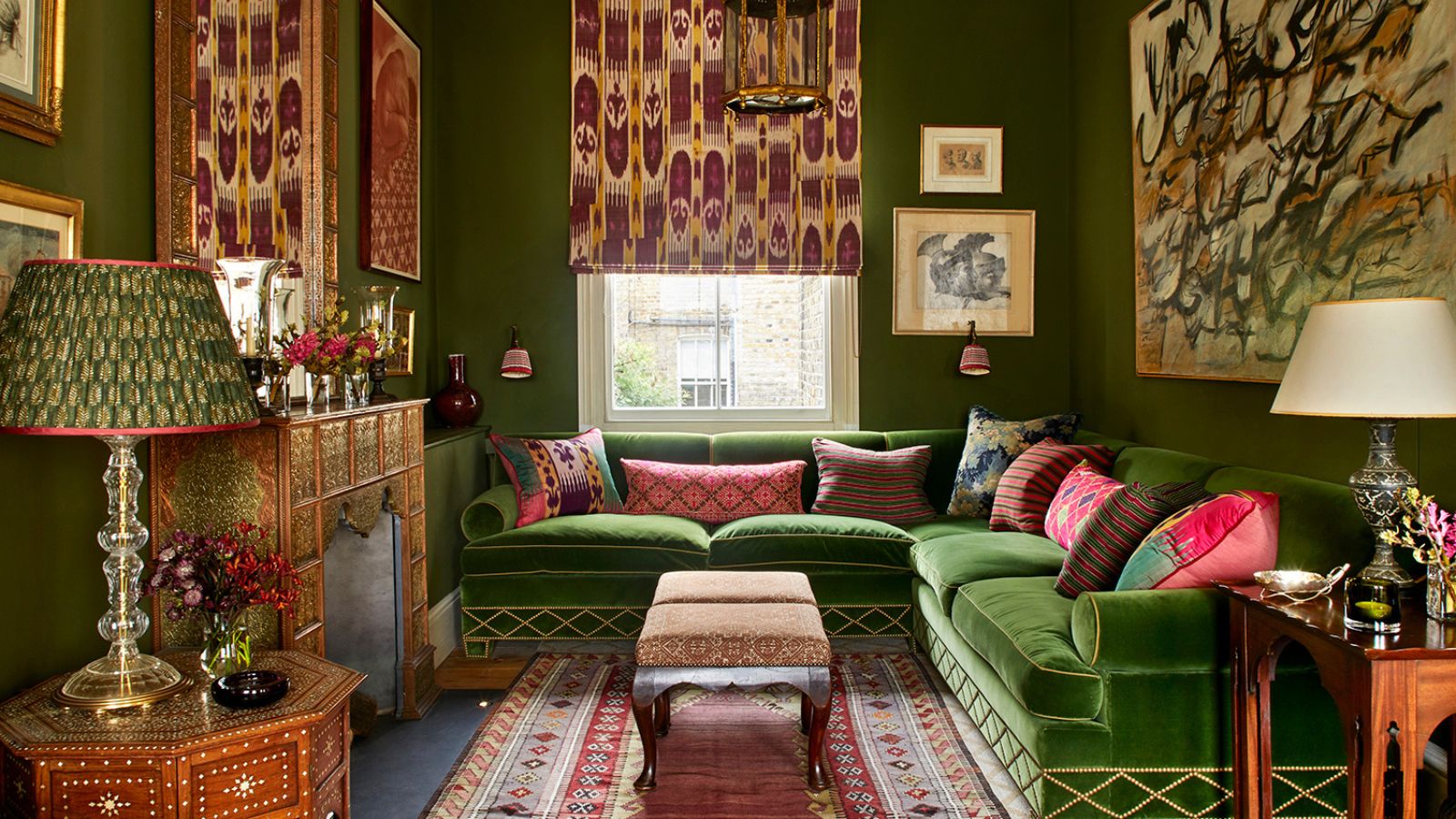
Minimalism in luxury isn’t confined to interiors. It’s a lifestyle—and nowhere is that more evident than in fashion. Quiet luxury has been dominating runways and wardrobes alike, where logos take a backseat and quality becomes the headline. You’ll find perfectly tailored trousers, buttery leather bags without branding, and neutral-toned cashmere sweaters that whisper elegance.
This movement away from overt opulence reflects a shift in values. Today’s luxury consumers aren’t looking to impress—they’re looking to invest in longevity, craftsmanship, and authenticity. A well-made white shirt from a legacy designer holds more power than a loud, seasonal piece splashed with monograms. It’s not about being seen—it’s about being felt.
In lifestyle, minimalist luxury can be seen in curated skincare routines, boutique travel experiences, or capsule wardrobes. Everything is designed to reduce decision fatigue and elevate quality of life. Even tech reflects this ethos—brands like Apple or Bang & Olufsen thrive on minimalist design that feels intuitive, beautiful, and high-performance.
This pared-back approach also brings freedom. Fewer choices, less clutter, and more time to focus on what truly matters. Whether it’s your living room or your wardrobe, minimalist luxury offers space—not just physically, but mentally and emotionally. And in a world that never slows down, that might just be the greatest luxury of all.
Table of Content
| Section | Description |
|---|---|
| 1. What Is Minimalist Luxury Design? | An introduction to the concept of minimalist luxury. This section explores how minimalism and opulence can coexist to create serene, refined spaces. It unpacks the growing design trend and sets the tone for understanding the intentional mindset behind it. |
| 2. The Core Principles Behind the Style | This section dives into the foundational values that drive minimalist luxury—simplicity, purpose, and quality. It discusses how these core principles influence every design decision, from material selection to furniture placement, to create harmony and depth without clutter or chaos. |
| 3. How Minimalism Elevates Luxury Spaces | A close look at how minimalist design enhances the experience of high-end living. This section covers how openness, natural light, texture, and thoughtful spacing elevate interiors to feel both luxurious and livable. It also touches on how materials and layout choices affect energy, mood, and flow. |
| 4. Minimalism in Fashion and Lifestyle | Minimalism isn’t just for homes—it’s a lifestyle. This section explores how the minimalist luxury approach is influencing fashion, wellness routines, and consumer habits. Learn how “quiet luxury” is reshaping wardrobes, and why thoughtful consumption is the new status symbol. |
| 5. The Emotional Impact of Minimalist Luxury | More than aesthetics, minimalist luxury affects how we feel. This emotional layer explains why minimalist spaces feel peaceful, restorative, and grounding. It also covers how this design philosophy can enhance clarity, reduce stress, and increase overall life satisfaction. |
| 6. Practical Tips for Adopting the Style | A hands-on guide to starting your minimalist luxury journey. Learn how to declutter mindfully, invest in quality over quantity, curate with intent, and work with neutral palettes and rich textures. Includes suggestions for small spaces, tight budgets, and long-term design success. |
| 7. Frequently Asked Questions (FAQs) | Common questions answered, such as: What materials define minimalist luxury? Is this style more expensive? Can it work in small homes? How do you transition into it gradually? This section provides clarity for anyone new to the movement or looking to refine their design approach. |
| 8. Conclusion: Why Less Truly Is More | A closing reflection on the power of restraint in a world of excess. This final section ties together the emotional and aesthetic benefits of minimalist luxury and encourages readers to embrace intentionality as the ultimate expression of sophistication. |
Frequently Asked Questions
What makes minimalist luxury different from plain minimalism?
Minimalist luxury emphasizes the quality and intent behind every design choice. While both styles focus on simplicity, luxury minimalism integrates high-end materials, craftsmanship, and a sense of elegance that regular minimalism may not prioritize.
Is minimalist design more expensive?
Initially, it can be. Fewer items mean each one needs to be carefully chosen and well-made. But in the long run, the focus on quality over quantity often leads to savings, since items are durable and timeless—less need for frequent replacement or trend-based upgrades.
Can minimalist luxury work in small spaces?
Absolutely. In fact, it thrives. Small spaces benefit even more from clutter-free, intentional design. With the right layout, materials, and lighting, a compact apartment can feel spacious, calming, and luxurious.
How do I start incorporating minimalist luxury at home?
Start with decluttering and defining your style. Then invest in key pieces made from quality materials. Focus on neutral colors, clean lines, open space, and lighting that supports the atmosphere you want to create.
What colors define minimalist luxury?
Neutral palettes dominate—think ivory, charcoal, taupe, stone, beige, and muted earth tones. These shades create calm, complement natural materials, and reflect light beautifully, which helps enhance the feeling of space and serenity.
Conclusion: Why Less Truly Is More
Luxury no longer means gold-plated everything or rooms filled with designer decor. Today, it means intentional design, high craftsmanship, and creating an environment that supports a peaceful and meaningful lifestyle. Minimalist luxury invites you to strip away the unnecessary and focus on what truly brings value and joy.
It’s about choosing a few, exquisite pieces over many forgettable ones. It’s about space that breathes, colors that calm, and textures that speak to the senses. In minimalist luxury, every choice is a conscious one—refined, elevated, and deeply personal.
As we continue to navigate a fast-paced, overly connected world, this design philosophy offers something more profound than just beauty: it offers clarity. And in that clarity, we find true luxury—not in more, but in better.
Leave a Reply