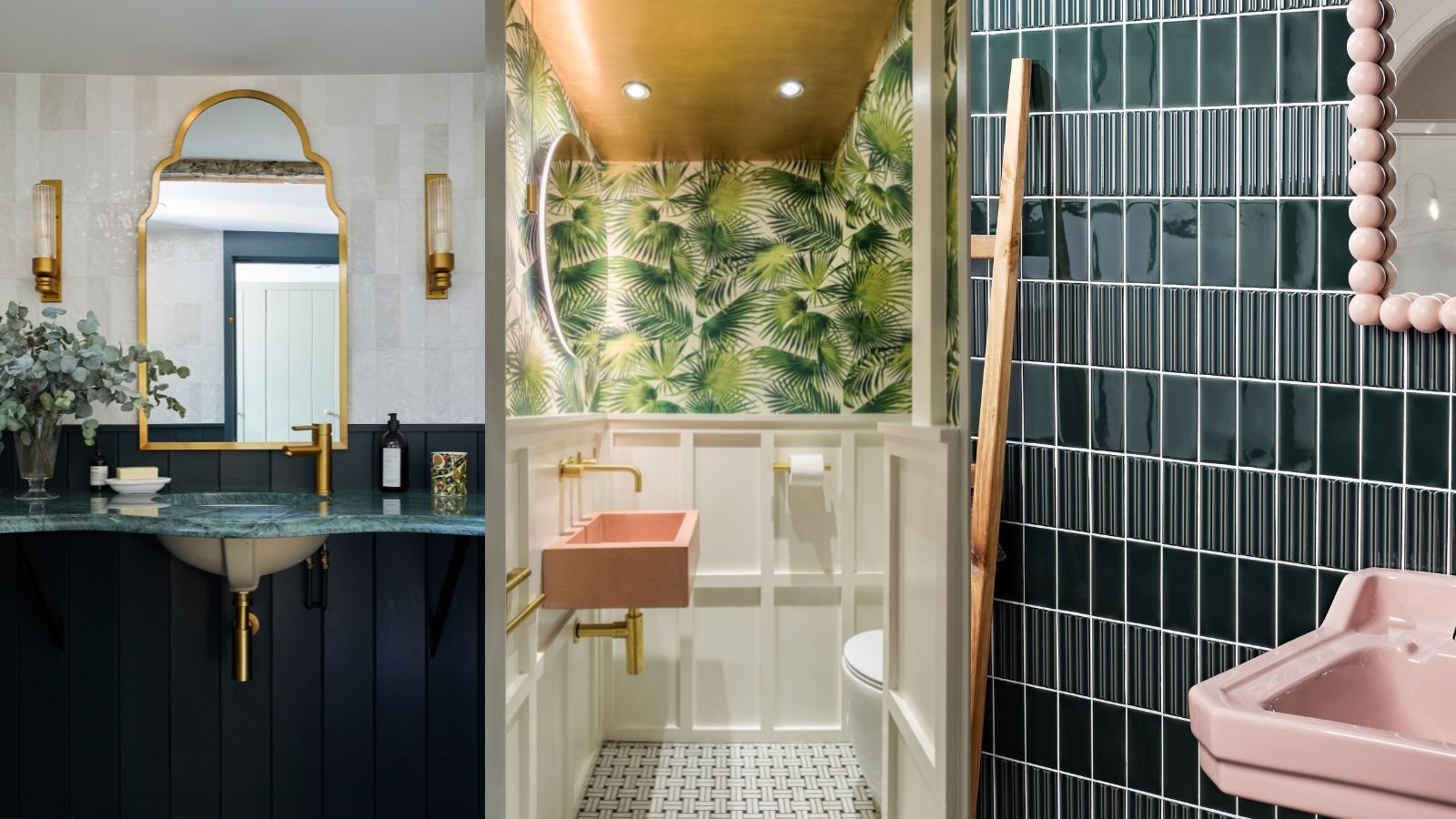
Powder Rooms: The Best Tips for Elevated Design!
Powder rooms, often referred to as half-baths or guest bathrooms, may be the smallest rooms in the house—but they pack the biggest punch when it comes to design potential. Because powder rooms aren’t used for daily routines like showers or getting ready, they’re free from many of the practical constraints that guide full bathroom design. That freedom makes them the perfect space to express personality, experiment with bold styles, and surprise guests with thoughtful details. These tiny rooms are often situated near the entryway or main living areas, which means they’re a space your guests are likely to visit—so making a great impression here is essential.
:max_bytes(150000):strip_icc()/2572201_linds_2385-1-e94b81446b4f45cab4ee335aba0e502f2-d7a5e7c0fad3460e99c930a58ce740c9.jpg)
Think of your powder room as a jewel box within your home—a place where you can lean into luxury, mood, and drama without worrying too much about long-term wear and tear. Whether your style leans minimalist or maximalist, rustic or refined, your powder room should complement the rest of your home’s aesthetic while offering a unique twist. It’s a chance to have fun with design in a concentrated space: go bold with color, dramatic with lighting, or creative with materials. And since powder rooms typically have fewer square feet to renovate, your budget can stretch further, allowing you to splurge on that statement wallpaper, artisan sink, or custom faucet you’ve been eyeing.
Designing for Impact in Small Spaces
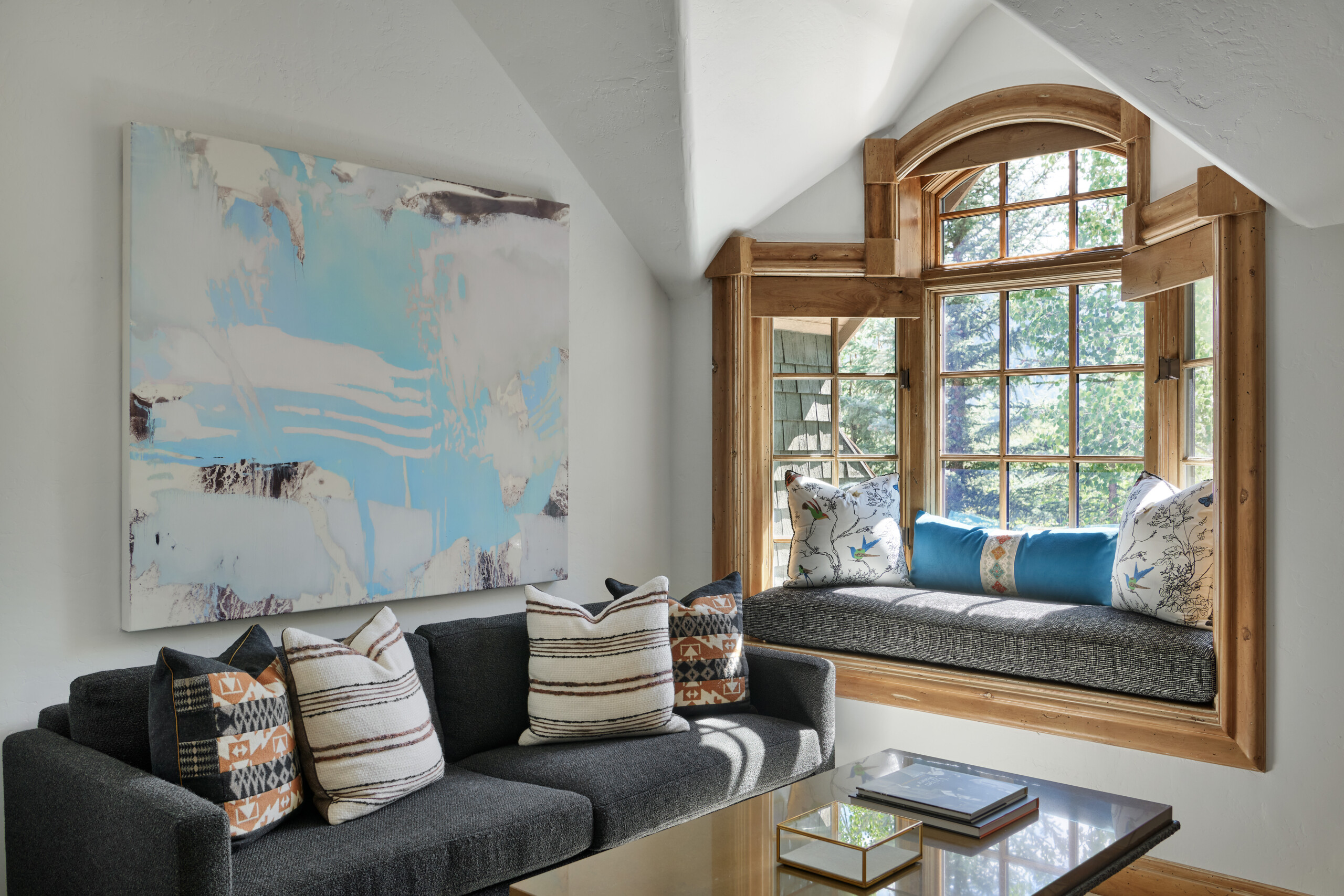
When working with a small room like a powder room, every inch counts. But that doesn’t mean you need to scale everything down—it actually means thinking big in a small space. The best powder rooms use their limited footprint to create visual interest and charm through clever layout, high-quality materials, and stand-out design elements. Start with the layout: while most powder rooms feature a toilet and a small vanity, don’t be afraid to reimagine the space with a corner sink, floating vanity, or backlit mirror to create the illusion of space. Reflective surfaces and strategic lighting go a long way in making a small room feel airy and inviting.
Color and texture are also key in elevating the feel of a small room. Powder rooms are one of the few places in your home where you can really play with bold, saturated colors or intricate patterns without overwhelming the space. Deep navy, emerald green, rich terracotta, or even black can work beautifully here—especially when paired with metallic fixtures or contrasting tile. Don’t shy away from wallpaper either; in fact, wallpaper is one of the best design tools for powder rooms. Whether you opt for a whimsical floral, geometric modernism, or moody chinoiserie, wallpaper can instantly elevate the room’s style quotient. And because there’s no moisture from showers or tubs, you don’t need to worry as much about steam or humidity ruining the paper.
Elevated Style Tips: Fixtures, Wallpaper, and More
:strip_icc()/AceCeiling-18daca2ffbf74bac93882d523e1c209b.jpg)
If you want your powder room to feel truly elevated, pay attention to the little things—because in small spaces, every detail stands out. Start with your fixtures and finishes. Think unlacquered brass, matte black, or brushed gold for a luxe, sophisticated look. Swap out basic sinks and vanities for ones with a bit more flair: consider a pedestal sink with sculptural lines, a marble countertop with waterfall edges, or a repurposed vintage console that brings character and charm. For faucets, wall-mounted styles can add a sleek and space-saving touch. And don’t forget the mirror—choose one that acts as a design statement, whether it’s arched, ornate, or backlit for an ultra-modern vibe.
Lighting also plays a critical role. Sconces flanking the mirror add balance and create a soft, flattering glow—much better than a single overhead bulb. Consider layering in ambient lighting through LED strips under floating vanities or crown molding. For something truly show-stopping, install a small chandelier or sculptural pendant light to bring drama and sophistication to the space. Next, add a layer of texture and contrast—this can come in the form of wainscoting, beadboard, natural stone, or wood accents. Even ceiling treatments like tin tiles or painted wood beams can make your powder room feel curated and complete.
And of course, accessories matter. A plush hand towel, a beautiful soap dispenser, a fresh flower arrangement, or even curated art on the walls will add polish and warmth. Your powder room is a great place to feature unique artwork, heirlooms, or quirky pieces that wouldn’t fit elsewhere in your home. These details may be small, but they’re what turn a basic bathroom into an experience.
Functional Luxury: Storage, Lighting & Scent

Just because your powder room is small doesn’t mean it can’t be functional. In fact, function is part of luxury. Smart, subtle storage ensures the room stays clean and clutter-free, which enhances its elegance. Think open shelving above the toilet, a small storage cabinet beneath the sink, or decorative baskets tucked under a floating vanity. You can also incorporate wall-mounted towel bars or hooks that feel intentional and cohesive with the rest of your décor.
Scent is another underrated component of design. A beautifully styled room can still fall short if it doesn’t smell fresh. Consider adding a reed diffuser, scented candle, or essential oil mister to keep the space inviting. Choose scents that are subtle and clean—like citrus, lavender, or eucalyptus. And finally, don’t forget the air circulation. Even a windowless powder room should have an efficient fan to keep it well-ventilated.
To tie everything together, keep your design cohesive from floor to ceiling. Coordinate your color palette, and keep a tight edit on finishes—don’t mix too many styles or metals. Use a large tile format on the floor to reduce grout lines and make the space feel larger. Even in a small room, rug choices matter—opt for a soft yet sturdy runner or mat with a bit of visual interest. The goal is to create a room that feels like a hidden gem in your home, both beautiful and efficient, modern yet timeless.
Table of Contents
| Section | Topic | What You’ll Learn |
|---|---|---|
| 1 | Why Powder Rooms Deserve Attention | Discover the hidden power of this small space to make a big impact on guests and your overall home design. |
| 2 | Designing for Impact in Small Spaces | Learn layout tips, scale tricks, and focal-point strategies to maximize every square inch of your powder room. |
| 3 | Elevated Style Tips: Fixtures, Wallpaper, and More | Explore high-impact design choices like bold wallpaper, sculptural sinks, statement lighting, and luxe finishes. |
| 4 | Functional Luxury: Storage, Lighting & Scent | Find clever ways to integrate smart storage, perfect lighting layers, and mood-setting scents for a complete experience. |
| 5 | FAQs | Get answers to common questions about renovating and styling powder rooms, from budget concerns to design trends. |
| 6 | Conclusion | A final summary of how to turn your powder room into a refined and unforgettable part of your home. |
FAQs
What’s the best color for a powder room?
Powder rooms are a great place to go bold. Deep colors like navy, forest green, charcoal, and burgundy are popular choices. That said, soft pastels, warm neutrals, or even crisp whites with strong accents can also look elegant depending on your home’s style.
Can I use wallpaper in a powder room?
Absolutely! Since powder rooms don’t have showers or bathtubs, humidity is less of a concern. Wallpaper—especially bold or patterned varieties—can make a huge design statement in these small spaces.
How do I make a small powder room look bigger?
Use large mirrors, light-reflecting materials, and soft ambient lighting to create the illusion of space. Floating vanities, glass fixtures, and light-colored flooring can also help open up the room visually.
Should powder rooms have windows?
While natural light is always welcome, many powder rooms are windowless. That’s totally fine—just make sure you have proper ventilation (via a fan) and layer your lighting well to avoid a dim or cramped look.
What kind of flooring works best in a powder room?
Durable, water-resistant options like tile, luxury vinyl, or natural stone work best. Patterned or mosaic tiles are a fun way to add personality, while large-format tiles can make the space feel bigger.
Conclusion
Powder rooms may be small, but when designed with thought and creativity, they can become one of the most memorable rooms in your home. From bold design choices and luxe materials to clever storage and inviting scents, these little spaces offer huge opportunities for self-expression and style. They’re not just bathrooms—they’re showpieces, mood setters, and a reflection of your attention to detail. So whether you’re revamping an outdated half-bath or building one from scratch, take the time to design a powder room that feels elevated, intentional, and uniquely yours.
Remember, the best powder rooms are about more than just function. They surprise. They delight. They leave a lasting impression. And in a home filled with big rooms and practical needs, they offer a rare chance to truly indulge in beautiful design.
Leave a Reply