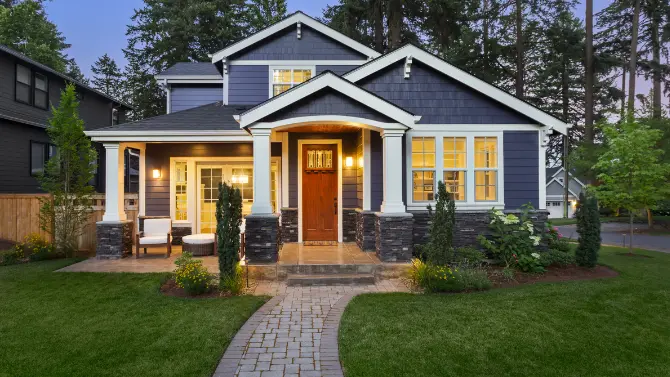
The Ultimate Guide to Creating the Best Canadian Summer Home
There’s something truly timeless and soul-soothing about a Canadian summer. It’s not just about the season itself—it’s about the feeling it brings. Long, sun-drenched days slowly stretch into golden, honey-hued evenings, where the sky puts on a pastel show as it dips behind towering evergreens. There’s the unmistakable scent of fresh pine and warm earth after a morning rain, the gentle rustle of leaves in the breeze, and the calming sound of water gently lapping against the edge of a dock. Whether you’re nestled deep in the boreal forest or perched lakeside in Ontario’s cottage country, summer in Canada feels like nature’s quiet celebration. And for many, the dream of owning a summer home in this majestic setting goes far beyond just having a place to escape the city—it’s about creating a sanctuary. A sacred space where memories are made, traditions are born, and generations gather to unwind, connect, and simply be.
The idea of a Canadian summer home evokes feelings of warmth, freedom, and nostalgia. It could be a cozy log cabin with vintage wooden beams and a crackling stone fireplace, a minimalist coastal getaway where white curtains billow in the wind, or a classic A-frame nestled at the edge of a secluded lake, its windows framing the perfect view of sunrise over the water. Each space is unique, yet they all share a common goal: to blend natural beauty with comfort and intentionality. This is not about extravagant design or over-the-top luxury—it’s about capturing the rhythm of summer, that effortless balance between simplicity and serenity. The perfect Canadian summer home honors the land it sits on, embraces the local climate, and brings people together. It’s where kids learn to fish for the first time, where rainy afternoons are spent playing cards by lantern light, and where laughter carries through the air long after the sun has gone down.

But creating a summer home that truly feels like your own personal haven requires more than just a scenic location. It demands thoughtful planning, creative design, and a deep understanding of how you want to live during those warmer months. From selecting the right province and picking your ideal terrain—be it lake, forest, or coastline—to building a structure that’s both beautiful and functional, every decision counts. You’ll need to consider how to keep the space cool and breezy, how to incorporate natural materials that reflect the outdoors, and how to make it welcoming for both quiet solitude and lively summer gatherings. It’s not just about furniture and finishes—it’s about flow, feeling, and creating a lifestyle that’s in harmony with the landscape.
This guide will walk you through every step of the process—from finding the perfect plot of land to choosing timeless architectural styles, installing must-have features, and designing both indoor and outdoor spaces that bring your summer dreams to life. We’ll dive into tips for staying eco-friendly and energy-efficient, suggestions for making the most of your views and surroundings, and advice for turning a seasonal home into a long-term family treasure. Whether you’re starting from scratch or looking to breathe new life into a beloved old cottage, the goal is the same: to design a summer home that invites rest, fosters joy, and welcomes you back year after year. A place that doesn’t just sit on the land—but belongs to it. A place that, even after summer ends, still lingers in your heart.
Why a Canadian Summer Home Is the Dream

For many Canadians (and even non-Canadians), the idea of a summer home nestled beside a lake, surrounded by pines and the call of loons, is more than just fantasy—it’s a lifestyle goal. With Canada’s breathtaking landscapes, abundant freshwater lakes, and dramatic seasonal shifts, owning or creating a summer home in this great northern country offers the perfect escape from urban life. Whether you’re escaping Toronto’s summer heat or retreating from Vancouver’s busy vibe, a summer home gives you room to unwind, unplug, and reconnect with nature and loved ones.
Unlike other countries, Canada offers a unique balance of serenity and wilderness, meaning your summer property can range from a cozy log cabin in Muskoka to a sleek, contemporary waterfront retreat on Prince Edward Island. And with more people embracing remote work and hybrid lifestyles, summer homes have quickly become multi-season sanctuaries—not just weekend getaways. More than ever, these homes are being designed for comfort, entertaining, and nature-immersion all at once.
Creating your dream Canadian summer home isn’t about sticking to one formula—it’s about embracing the environment around you, enhancing it with timeless design, and planning for years of memorable summers. From choosing your location and materials to setting up the perfect outdoor patio, every decision you make sets the tone for your ideal warm-weather refuge.
Choosing the Perfect Location

The first (and arguably most important) decision when building or buying a summer home in Canada is location. And trust us—Canada has no shortage of gorgeous options. Your personal preferences, travel habits, and budget will determine what spot feels like home. Are you after lakeside tranquility? Head to Ontario’s Muskoka region, affectionately dubbed “Canada’s Hamptons.” Dreaming of salt air and crashing waves? Nova Scotia and Prince Edward Island offer coastal charm with rich maritime character. Prefer the mountains? British Columbia’s Okanagan or the Rockies blend vineyard elegance with alpine adventure.
For those in urban centers like Toronto, Ottawa, or Montreal, being within 1–3 hours of the city is ideal for frequent visits and long weekends. Regions like Kawartha Lakes, the Laurentians, and Haliburton are perfect choices for this balance of access and nature. For remote serenity, consider Northern Quebec or Manitoba, where off-the-grid living thrives.
Access matters too. Do you want a boat-only island? A private wooded drive? Or something on a paved road with utilities and internet? Make sure your location matches your lifestyle goals—whether that’s being social with neighbors or enjoying absolute solitude.
And don’t forget about weather. Canada is diverse: summers in British Columbia can be dry and hot, while Newfoundland may remain cool and foggy. Choose a climate that aligns with how you want to spend your summer months—sunbathing, kayaking, or fireside reading.
Designing a Home That Embraces Nature
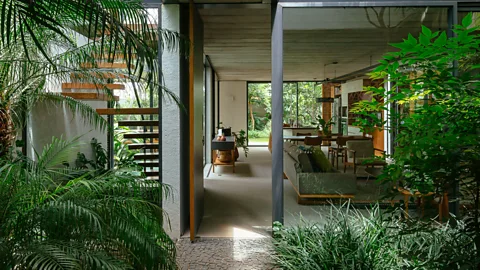
In Canada, nature isn’t a backdrop—it’s the main character. When designing your summer home, the goal is to let the outdoors in while respecting the landscape around you. Modern Canadian summer homes increasingly lean toward natural materials, open floor plans, and panoramic views. Think large windows, sliding doors, and wraparound decks that blur the lines between inside and out.
The architecture should reflect your surroundings. If you’re in a forested region, opt for wood-heavy construction—cedar, pine, or Douglas fir. For lakeside homes, use stone foundations or large boulders to ground your home visually and physically. On the east coast, weatherproof exteriors like shingle cladding or metal roofing are smart for ocean exposure.
The layout of the home should promote relaxation and easy social flow. Open-concept kitchens and great rooms are must-haves, allowing guests to gather, cook, and relax all in one space. Don’t forget functional features like mudrooms (for sandy shoes and wet swimsuits) or bunkrooms for kids and extended guests.
As for the aesthetic? Mix Scandinavian simplicity with rustic Canadiana. Light-colored walls, raw wood beams, cozy throws, and vintage finds from local markets create a space that feels lived-in yet luxe. Minimalist doesn’t have to mean cold—it can mean calm, airy, and inviting. Add large windows to take advantage of cross breezes and sunset views, and you’ll never want to leave.
Essential Summer Home Features for Comfort & Style

When outfitting your Canadian summer retreat, it’s all about finding the sweet spot between functionality and comfort. You want a space that can handle wet swimsuits and sandy feet, but still feels like a high-end escape. That’s where smart design and versatile furniture come in. Choose materials that are durable, washable, and timeless. Linen and cotton upholstery, jute rugs, leather accent chairs, and reclaimed wood tables are all great options that can withstand wear while adding texture and warmth.
Comfort is king in a summer home. Deep sofas, hammocks, porch swings, and oversized reading chairs are essentials. Include a fireplace or wood stove, even in summer homes—cool nights call for cozy indoor fires, especially in northern areas. Stock your home with layered blankets, board games, books, and a stellar sound system for rainy-day relaxing.
The kitchen should be functional but breezy. Think open shelving, butcher block counters, and outdoor dining access. Opt for appliances that are energy-efficient and scaled appropriately—nobody needs a massive commercial fridge in a two-bedroom cottage.
Don’t overlook storage solutions, especially if you plan to rent it out or host guests. Built-in shelving, under-bed drawers, and mudroom cubbies can keep clutter at bay while maintaining a clean, airy look. Finally, add personal touches—art from local artisans, found objects from hikes, or family photos that turn the house into a true home.
Outdoor Living Spaces That Steal the Show
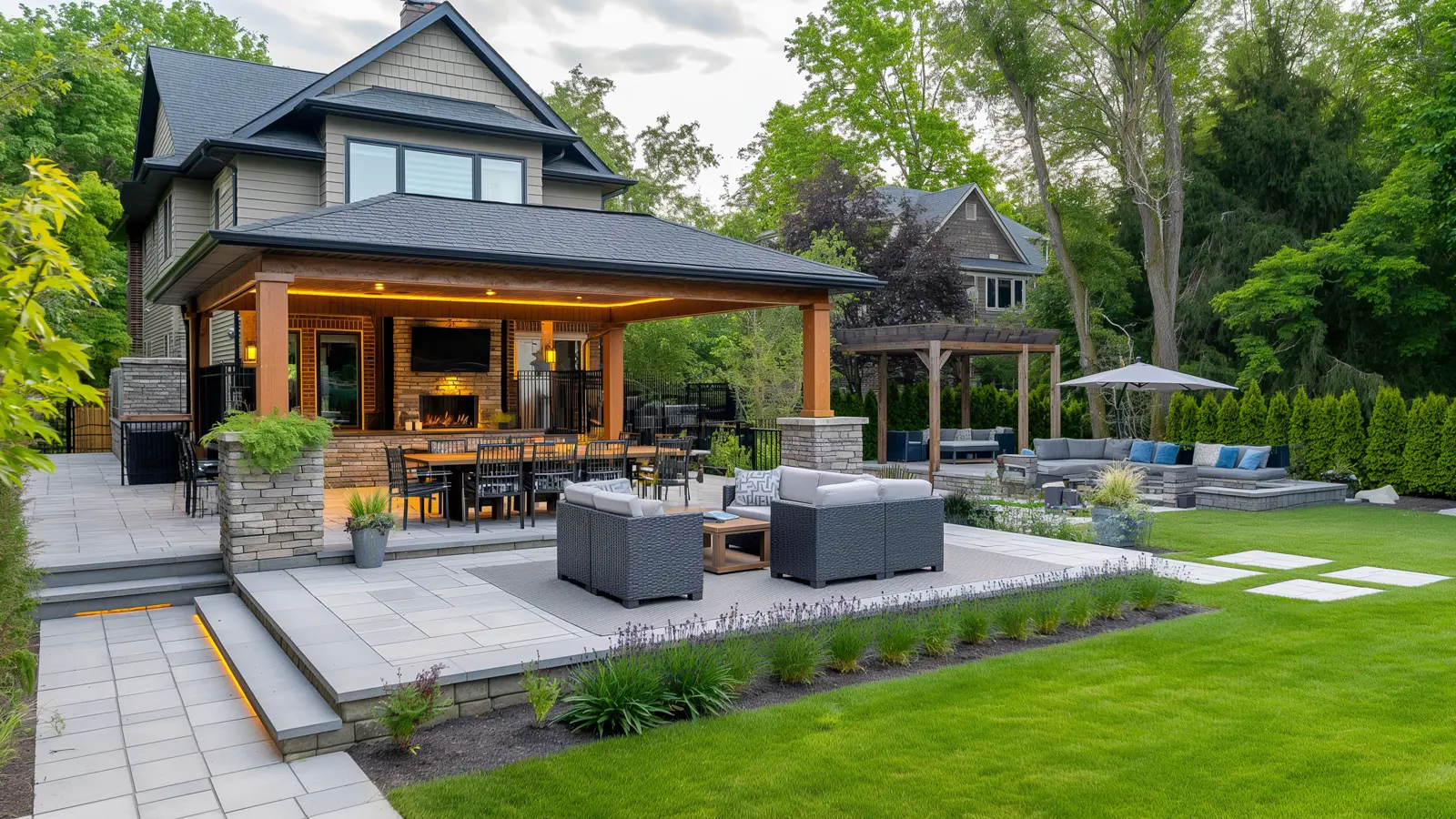
In many ways, the outdoor areas of your summer home matter just as much—if not more—than the interior. After all, Canadian summers are all about campfires, starry skies, BBQs, and lazy afternoons by the water. So how do you design outdoor spaces that feel both natural and elevated?
Start with a deck or patio that acts as an extension of your living room. Use materials that blend with the surroundings—unfinished wood, stone, or composite decking in earth tones. Add layered seating: cushioned sectionals, lounge chairs, and foldable stools create a flexible hangout zone. Include an oversized outdoor table for long, lantern-lit dinners and casual breakfasts with a view.
A fire pit is a must, whether it’s stone, metal, or sunken. Add Adirondack chairs, a storage box for cozy throws, and maybe even a guitar stand for impromptu singalongs. If you’re lakeside, invest in a sturdy dock and water gear—kayaks, paddleboards, or even a floating dock for tanning.
Gardens and landscaping should feel natural, not overly curated. Opt for native plants that thrive in your region and require little watering or maintenance. Add path lighting, hammocks, outdoor showers, and string lights to create that magical Canadian cottage ambiance after dark.
Sustainable Living: Off-Grid & Eco-Friendly Options

More homeowners are prioritizing sustainability in their summer home plans—and in Canada, that makes a lot of sense. Between the rising popularity of off-grid living and the increasing availability of eco-friendly materials, it’s never been easier to build green. Solar panels are becoming more efficient and affordable, and they pair beautifully with backup generators and wood-burning stoves in off-grid settings.
Rainwater collection systems and composting toilets are great options for remote cabins. For less remote homes, consider high-efficiency insulation, energy-star appliances, and low-VOC paints and finishes. Using reclaimed or locally sourced wood supports the environment and adds charm to your space.
Passive solar design is another smart move—maximize southern-facing windows, place shade trees strategically, and use thick stone floors that absorb heat in the day and release it at night.
Beyond structure, sustainability can be part of your lifestyle too. Stock your summer home with reusable goods, natural cleaners, and biodegradable toiletries. Compost, recycle, and support local farmer’s markets for seasonal produce. Building a sustainable Canadian summer home means creating a space that respects the land, treads lightly, and feels good to live in—for years to come.
Table of Contents
| Section | Description |
|---|---|
| 1. Why a Canadian Summer Home Is the Dream | Discover what makes Canadian summers special and why owning a getaway home here is the ultimate seasonal goal. |
| 2. Choosing the Perfect Location | From lakeside retreats to forest hideaways—find out how to choose the ideal setting for your summer sanctuary. |
| 3. Designing a Home That Embraces Nature | Learn how to blend architecture with the outdoors, capturing the essence of natural beauty through thoughtful design. |
| 4. Essential Summer Home Features for Comfort & Style | Explore must-have features—from open floor plans and screened porches to breezy interiors and modern comforts. |
| 5. Outdoor Living Spaces That Steal the Show | Elevate your backyard with dining decks, fire pits, outdoor kitchens, and cozy nooks for relaxing in the sun. |
| 6. Sustainable Living: Off-Grid & Eco-Friendly Options | Dive into solar power, rainwater systems, and other green choices that make your home efficient and earth-friendly. |
| 7. FAQs | Common questions about building, maintaining, and enjoying your Canadian summer home. |
| 8. Conclusion: Your Canadian Summer Haven Awaits | Wrap it all up with inspiration and a final push toward making your dream summer home a reality. |
FAQs
Q: What is the best region in Canada for a summer home?
A: It depends on your lifestyle. Muskoka and Kawarthas are great for Ontario residents, while BC’s Okanagan is ideal for wine lovers. East Coasters may love Nova Scotia or PEI for ocean views and coastal charm.
Q: Can you use a Canadian summer home in the winter too?
A: Absolutely! Many summer homes are now built as four-season retreats. With proper insulation, heating, and access, they can be enjoyed year-round.
Q: Are permits required to build a summer home in Canada?
A: Yes. Local municipalities require building permits, and additional rules may apply for shoreline properties, septic systems, and off-grid setups.
Q: What’s a good size for a summer home?
A: Most range from 800–1,500 sq ft. It depends on how many people you host and whether you plan to rent. Focus on smart layout and usable outdoor space over sheer square footage.
Conclusion: Your Canadian Summer Haven Awaits
Creating the ultimate Canadian summer home is about more than beautiful views or trendy furniture—it’s about building a sanctuary that brings you joy, rest, and lifelong memories. Whether nestled beside a calm lake or tucked into a forest clearing, your summer home should reflect your personality, your values, and your connection to the land.
From choosing the perfect region to designing with nature in mind, incorporating comfort, sustainability, and a strong sense of place will help turn your vision into a reality. Take the time to plan intentionally, shop thoughtfully, and embrace the slow pace of cottage life. After all, summers in Canada are short—but their impact can last a lifetime.
Leave a Reply