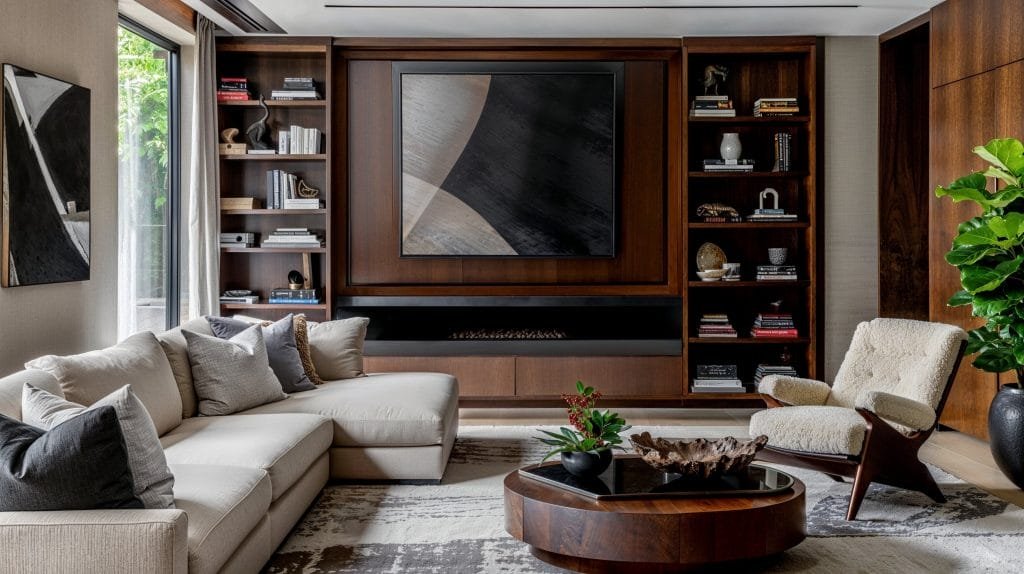
Interior Design Predictions for 2025: What’s In and How to Make It Yours
In 2025, interior design is no longer about following strict trends or emulating magazine spreads—it’s about creating a space that reflects who you are. The cookie-cutter approach of the past is being replaced by bold individuality. Think unexpected color pairings, curated object collections, and layered textiles that tell a story. We’re seeing homeowners embrace deeper personalization through vintage finds, family heirlooms, and DIY art pieces. Gone are the days of minimalist beige everything—instead, 2025 celebrates visual interest, soul, and narrative. Maximalism isn’t necessarily about clutter; it’s about choosing pieces with meaning and arranging them with intention.
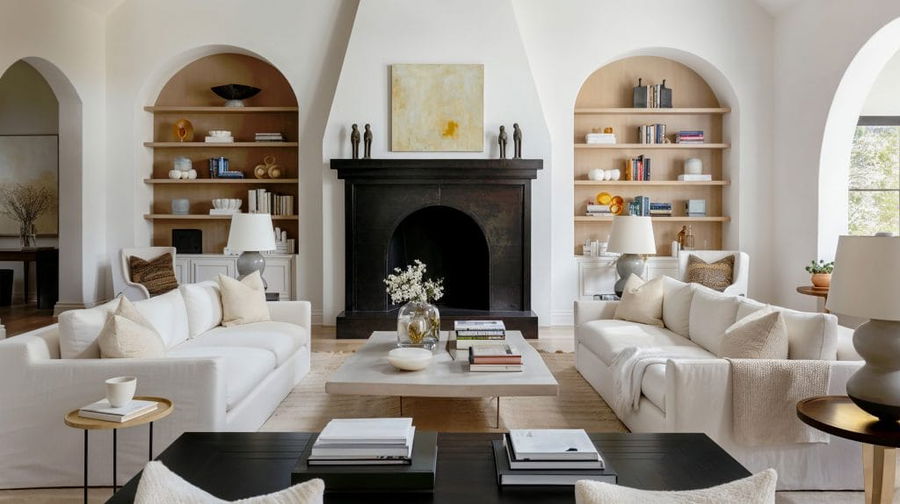
Colors are reflecting this change too. Instead of playing it safe with neutrals, more people are experimenting with jewel tones like emerald green, burgundy, and sapphire blue. Accent walls, colorful tile backsplashes, and painted ceilings are coming into focus as people use every surface to communicate their style. Furniture is taking on softer, organic forms with rounded edges and sculptural silhouettes, moving away from hard angles and boxy layouts. Think curved sofas, arched doorways, and circular coffee tables—all working together to create a feeling of flow and visual calm.
What Defines 2025 Design?
Personalization and Purposeful Living

The homes of 2025 are deeply personal. Gone are the days of one-size-fits-all decor. Today’s interiors reflect the personalities, values, and lifestyles of those who live in them. Expect to see a mix of eras, textures, and color palettes that feel collected rather than coordinated. Sentimental pieces—like heirlooms or travel souvenirs—are proudly displayed alongside contemporary furniture, creating spaces that feel both curated and lived-in. This human-centric approach is about making the home an extension of your identity, where form always meets function and beauty always serves your everyday rhythm.
Wellness is also taking center stage. As work-from-home remains the norm for many, people are continuing to prioritize comfort and serenity. Expect more meditation nooks, in-home spas, natural light optimization, and multi-functional furniture designed to support mental and physical wellbeing. It’s not just about looking good—it’s about feeling good, too. The materials used are warm and inviting: think boucle, cane, organic cotton, stone, and terracotta. It’s texture-forward, sensory-rich, and emotionally grounded design.
Elevated Neutrals
Warm Tones Replace Cold Minimalism
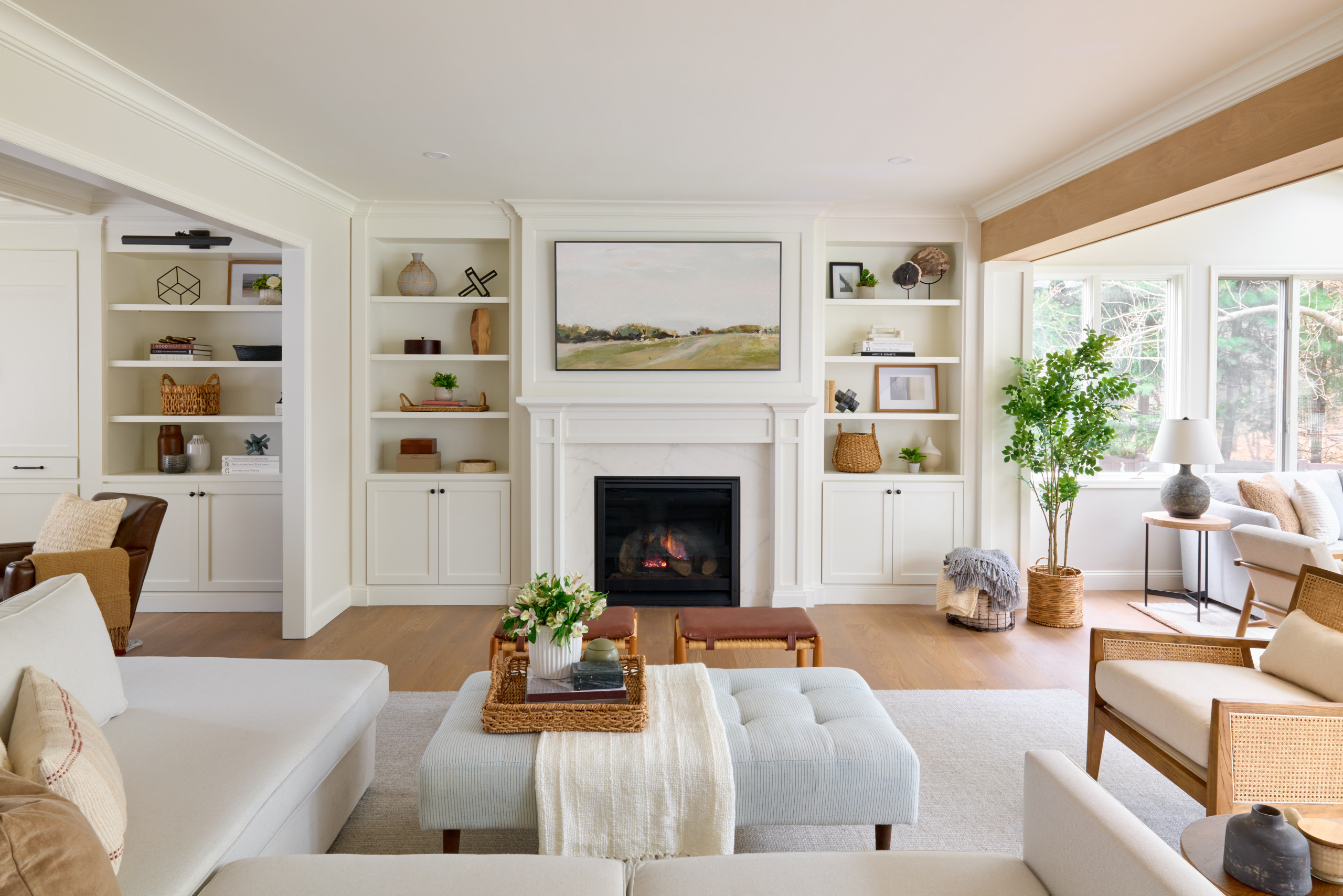
In 2025, the reign of stark white and grey interiors is fading. Neutral doesn’t mean boring anymore—it means cozy, tonal, and layered. Warm beiges, soft taupes, clay tones, and muted blushes are replacing sterile whites, creating a more welcoming and grounded aesthetic. Earthy neutrals pair beautifully with wood tones, warm metals like copper and brass, and soft upholstery. The idea is to evoke calm and connection with the natural world.
Textile layering is crucial in this palette. Instead of matching everything, mix textures like linen, boucle, raw silk, and cashmere. A bedroom done in layered taupes, for example, might include a sand-colored linen duvet, creamy boucle throw pillows, and a warm-toned wool rug. These subtleties add depth and richness, proving that understated doesn’t have to be underwhelming. Walls might be painted in shades of mushroom, clay, or soft terracotta for a neutral with character.
Statement Ceilings, Bold Walls, and Artful Surfaces
Making Every Surface Count
2025 interiors are moving up—literally. Ceilings are no longer an afterthought. Designers are treating them like the fifth wall, painting them in contrasting hues, wallpapering them with organic patterns, or even adding coffered woodwork or decorative plaster. This shift adds an unexpected layer of drama to even the smallest rooms, especially when combined with complementary wall treatments.
Walls themselves are getting bolder too. Accent walls in deep navy, forest green, or textured plaster finishes are back—but with a modern twist. Expect abstract murals, limewash finishes, matte wallpapers with organic motifs, and paneling used in inventive ways. We’ll also see more mixed materials: wood slats with marble, metal with concrete, and woven grasscloth with painted elements. These combinations create dynamic focal points and add personality to every room.
Sustainable and Smart Materials
Designing for the Future

Eco-conscious design is no longer a niche—it’s the new standard. In 2025, expect to see more homes built and renovated using sustainable, upcycled, and biodegradable materials. Homeowners are making conscious choices with everything from paint and insulation to cabinetry and flooring. Look for responsibly sourced wood, bamboo, recycled glass tiles, and carbon-neutral composite stone. Even upholstery is going green, with plant-based leather alternatives and low-VOC finishes.
On the tech side, smart home systems are getting sleeker and more integrated. Think hidden sensors, climate-responsive lighting, and intelligent HVAC systems that not only make your home more energy-efficient but also more comfortable. These technologies aren’t just convenient—they’re part of a larger push toward mindful living. In luxury homes, smart mirrors, voice-controlled lighting, and air purifiers are blending seamlessly with the overall design, not sticking out like a sore thumb.
Curves, Arches & Organic Shapes
Softening the Edges of Home
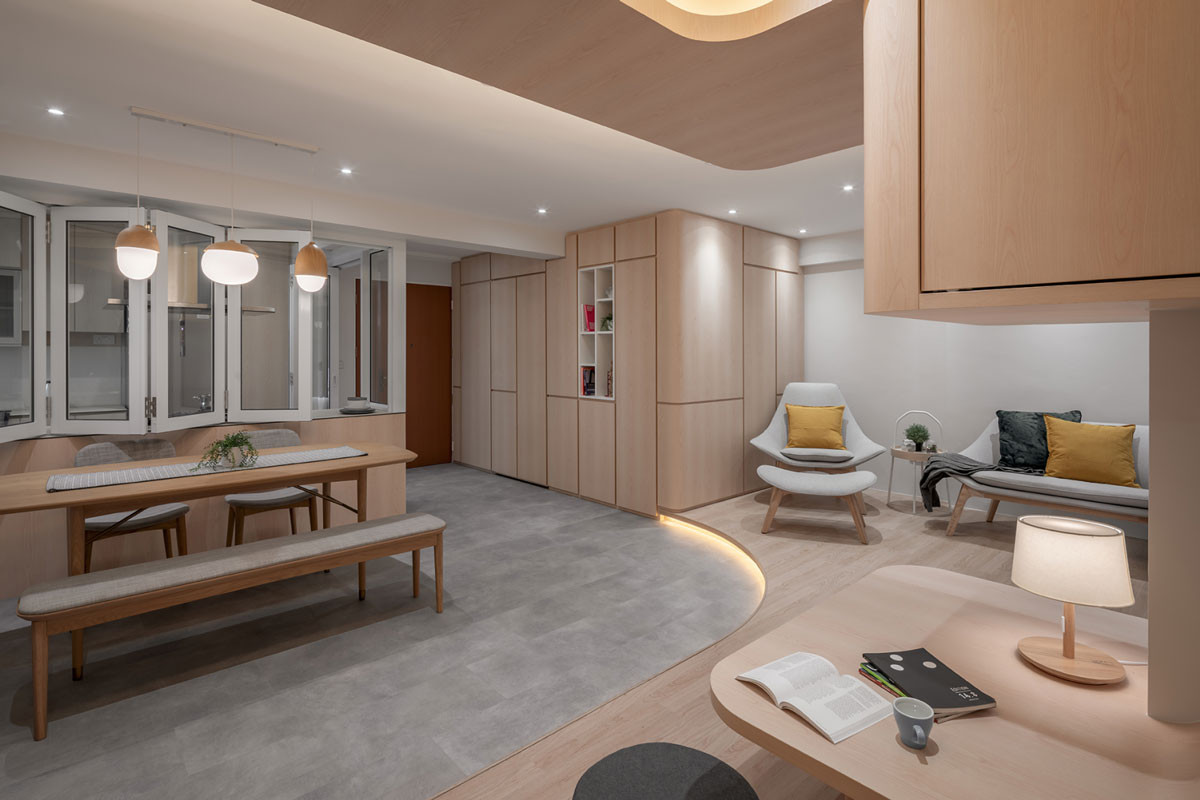
One of the most visually defining trends of the past few years—rounded shapes—continues its popularity in 2025. The harsh lines of modernist minimalism are giving way to more sensual, sculptural forms. This trend is evident in everything from sofas and tables to architectural features like doorways and windows. Arches, domes, and curves help create a sense of flow and intimacy, especially in open-concept spaces.
Furniture is becoming more fluid and less rigid. Coffee tables are kidney-shaped, chairs are fully upholstered with rounded backs, and lighting fixtures mimic organic patterns like petals or raindrops. Even shelving units and fireplaces are being designed with curved lines, adding visual softness. These elements don’t just look stylish—they feel more approachable and cocooning, aligning with the overall shift toward comfort-driven design.
How to Make These Trends Yours
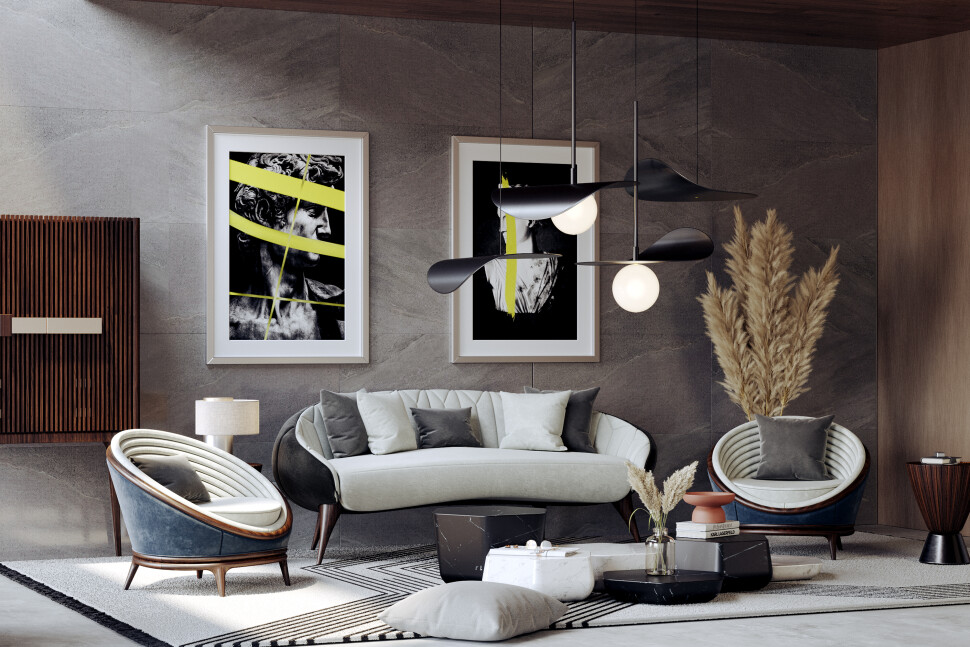
You don’t need to start from scratch or break the bank to bring these trends into your home. Begin with color—try painting a single wall in a warm neutral, or add soft furnishings in deep greens or rusty reds. Layer in texture through throws, rugs, and cushions. Upgrade your lighting to warmer-toned bulbs and consider adding a dimmer or smart system for mood control.
Look at the ceilings and corners of your home with fresh eyes. Could you paint the ceiling a subtle shade or install a curved archway between rooms? Invest in statement pieces that balance comfort and design—like a rounded velvet armchair or an eco-friendly bamboo side table. And most importantly, curate with intention. Let your home reflect your personality and values—not just a checklist of what’s trending.
Table of Contents
| Section | Details |
|---|---|
| What Defines 2025 Design? | Personality-driven spaces, biophilic influence, tech |
| Elevated Neutrals | Warmer, textured neutrals replace stark white |
| Statement Ceilings & Walls | Unexpected surfaces becoming bold focal points |
| Sustainable & Smart Materials | Eco-consciousness meets innovation |
| Curves, Arches & Organic Shapes | A continued love for soft, sculptural forms |
| How to Make These Trends Yours | Actionable tips for applying 2025 trends |
| FAQs | Your top questions answered |
| Conclusion | Wrapping up the future of home design |
Frequently Asked Questions (FAQs)
Q1: Are these trends suitable for small homes or apartments?
Absolutely! Even in smaller spaces, elements like curved furniture, warm tones, and statement lighting can make a big difference. Just scale proportionally and keep functionality in mind.
Q2: What’s the best neutral color for 2025?
Soft clay, mushroom beige, and taupe are top picks. They add warmth without overpowering and work beautifully with wood and metal accents.
Q3: How can I make my home more sustainable without a full renovation?
Switch to eco-friendly paint, use LED lights, buy second-hand or upcycled furniture, and choose natural fibers for textiles like curtains and rugs.
Q4: Are bold walls going to replace minimal design?
Not entirely. The future is about balance—layered minimalism where bold choices are intentional and paired with clean, functional elements.
Q5: Is smart home tech hard to integrate into existing interiors?
Not at all. Many new systems are wireless and easy to retrofit. Smart plugs, bulbs, and thermostats are simple first steps.
Conclusion: The Future Is Feel-Good Design
Interior design in 2025 is all about creating spaces that feel as good as they look. It’s a blend of personality, comfort, sustainability, and innovation. Whether you go all-in with sculptural ceilings and curved archways or simply refresh your palette with rich neutrals and cozy textures, the goal is the same: a home that tells your story and supports your lifestyle. As trends continue to evolve, this much is clear—meaningful, thoughtful design never goes out of style.
Leave a Reply