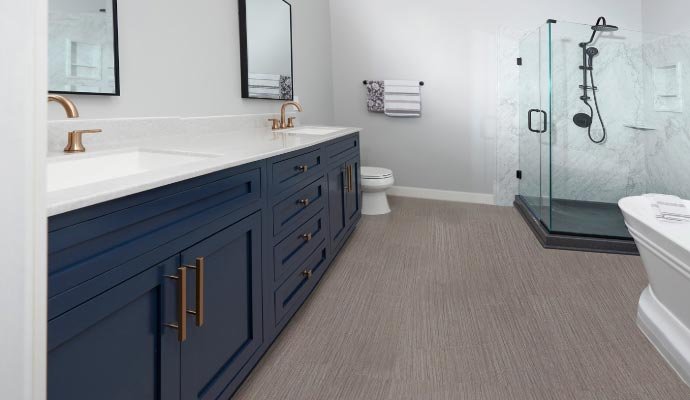
Transform Your Bathroom: A Guide to Renovation and Redesign
The bathroom might be one of the most functional rooms in your home, but that doesn’t mean it has to be boring. In fact, with the right approach, your bathroom can be transformed into a relaxing retreat, a modern spa, or a timeless sanctuary of comfort and style. Whether you’re renovating an outdated layout, redesigning for a fresh aesthetic, or doing a complete overhaul, bathroom upgrades are one of the most rewarding—and valuable—home improvements you can make.
A bathroom renovation is more than just switching out tiles or installing a new vanity. It’s an opportunity to reimagine the space, tailor it to your needs, and infuse it with personality. From layout planning and plumbing to lighting, textures, and finishes, every element plays a role in how the room feels and functions. Done right, a bathroom redesign can enhance your daily routine, boost your home’s resale value, and provide a personal escape from the noise of everyday life.
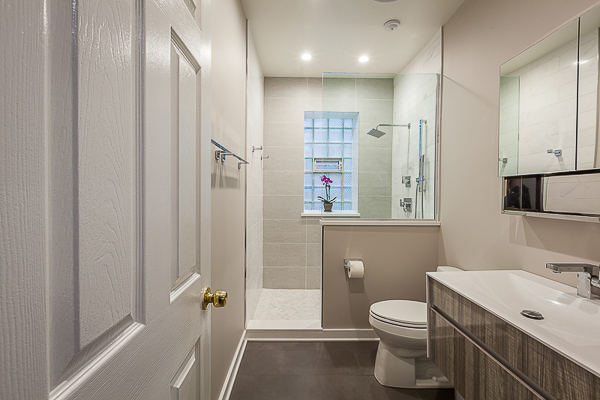
This guide walks you through the essential steps of transforming your bathroom—from planning and budgeting to choosing materials and designing with intention. Whether you’re working with a cozy powder room or a spacious master suite, the principles of thoughtful design apply across the board. Let’s dive into how you can create a bathroom that doesn’t just serve a purpose—but inspires one.
1. The Vision: Defining Your Bathroom Goals
Start with the Why—and the Wow

Before you pick up a hammer or open Pinterest, start by asking yourself one simple question: What do you want your bathroom to feel like? This emotional approach to design helps guide your choices with clarity and purpose. Do you want a calming spa-like retreat with soft tones and natural textures? Or are you envisioning a bold, modern space with striking contrasts and sleek lines? Defining your vision upfront saves time and prevents overwhelm down the road.
Once you’ve settled on the mood, consider your must-haves. Is a soaking tub non-negotiable? Do you need a double vanity for busy mornings? Are you dreaming of radiant floor heating or a rainfall showerhead? Knowing your priorities allows you to budget smarter and design more intentionally. You may also want to gather inspiration from interior design magazines, Instagram, and luxury hotel bathrooms—notice what speaks to you in terms of color, lighting, storage, and layout.
Don’t forget to assess what currently isn’t working. Poor lighting, awkward layouts, lack of ventilation, and limited storage are common frustrations in older bathrooms. Jot down all your pain points and what you’d love to change. This way, your renovation isn’t just a surface makeover—it becomes a meaningful transformation that improves how the space functions day to day.
And finally, be realistic with your timeline and budget. Custom cabinetry and natural stone may be stunning, but they also come with longer lead times and higher price points. Determine where to splurge and where to save so your bathroom redesign feels luxurious, not stressful.
2. Layout & Functionality: Making the Space Work
Where Beauty Meets Smart Planning

Your bathroom’s layout is the backbone of your entire design—it dictates how the space flows, where things go, and how comfortable the room is to use. Whether you’re working with a tight footprint or a sprawling ensuite, efficiency and comfort should go hand in hand. Start by analyzing your current layout. Are the sink, shower, and toilet positioned logically? Is there room to move freely? Does the space feel open or cramped?
One of the most effective changes you can make is rethinking traffic patterns. For example, relocating a vanity to the opposite wall can open up floor space and improve storage options. Converting a rarely-used tub into a walk-in shower can modernize the look and enhance everyday usability. If plumbing allows, even moving the toilet to a more discreet location can drastically improve flow and comfort.
Storage should never be an afterthought. Consider custom built-ins, recessed medicine cabinets, floating vanities, and clever shelving to keep the space clutter-free without sacrificing style. Drawers instead of cabinets under sinks can make storage more accessible, while niches built into shower walls create elegant, functional storage for toiletries.
And let’s talk accessibility. Designing for the future—or for all family members—means thinking about comfort at every age. Wider doorways, curbless showers, non-slip flooring, and strategically placed grab bars can make a bathroom both beautiful and universally usable. If your layout is smart, every other design decision becomes easier to execute—and more impactful.
3. Materials & Finishes: Where Luxury Meets Durability
Elevate with Intention

The materials you choose for your bathroom renovation do more than set the tone—they also determine how the space will age, how easy it is to clean, and how well it stands up to daily moisture and wear. In luxury bathroom design, function and form are equally important, and finding the perfect balance is key.
Let’s start with surfaces. For flooring, porcelain tiles are a top choice thanks to their water resistance, durability, and endless design options. For a warmer, more organic look, natural stone such as marble or travertine creates timeless elegance—but be prepared for higher maintenance and sealing. Walls can be clad in large-format tiles for a sleek, seamless look, or enhanced with Venetian plaster, matte paint, or textured wallpaper in powder rooms where humidity isn’t an issue.
Countertops offer another chance to infuse luxury. Quartz is durable and low-maintenance, while natural marble provides unmatched beauty with a classic, upscale appeal. Sinks and vanities come in a range of finishes—from stone, ceramic, and concrete to custom wood or lacquered cabinetry. Choose fixtures in brushed brass, matte black, or polished nickel to add an upscale detail that feels modern yet timeless.
Don’t overlook textiles and textures. Fluffy white towels, woven baskets, and linen shower curtains can soften a sleek design. Heated towel racks, floor heating systems, and high-end faucets can also enhance daily comfort and add value to your space. The key to material selection is harmony: every surface and finish should work together to support your overall mood and aesthetic.
4. Lighting & Atmosphere: Setting the Mood
The Finishing Touch That Changes Everything

Lighting might be one of the most underestimated elements of bathroom design—but it can completely transform how your space looks and feels. The right lighting doesn’t just illuminate—it flatters, calms, and highlights the beauty of your finishes and layout. When done right, it turns a functional room into a luxurious sanctuary.
First, establish three layers of light: ambient, task, and accent. Ambient lighting provides general illumination and often comes from ceiling-mounted fixtures or recessed lighting. Task lighting is essential for grooming and makeup, and is best delivered through wall sconces or mirror-integrated LEDs that reduce shadows and offer even light. Accent lighting adds drama and warmth—think backlit mirrors, under-cabinet strips, or a chandelier over a freestanding tub.
Color temperature is also crucial. Stick to warm white light (2700K–3000K) to create a welcoming glow. Avoid overly cool or blue lighting, which can feel harsh and unflattering. If possible, incorporate natural light through skylights, frosted windows, or solar tubes to reduce energy use and create a spa-like atmosphere.
Smart lighting controls like dimmers and motion sensors can elevate the experience even more. Want a soft, candlelit feel for an evening soak? With a dimmer, that’s just a twist away. Want lights to automatically turn on when you walk in during the night? Motion sensors add convenience and sophistication.
In the end, lighting isn’t just about seeing—it’s about feeling. Thoughtfully chosen fixtures and light quality can help your bathroom feel like a curated, calming escape from the outside world.
Table of Contents
| Section | Description |
|---|---|
| 1. The Vision: Defining Your Bathroom Goals | How to clarify your goals and define your personal style before beginning a renovation. |
| 2. Layout & Functionality: Making the Space Work | Tips on optimizing your layout for both beauty and efficiency. |
| 3. Materials & Finishes: Where Luxury Meets Durability | Guide to choosing the best surfaces, textures, and finishes for bathrooms. |
| 4. Lighting & Atmosphere: Setting the Mood | Creating layers of light for functionality, comfort, and ambiance. |
| 5. FAQs | Common questions about costs, timelines, and design decisions. |
| 6. Conclusion | Why a well-designed bathroom is one of the smartest upgrades you can make in your home. |
Frequently Asked Questions (FAQs)
How much does a bathroom renovation typically cost?
The cost of a bathroom renovation varies widely depending on scope, materials, and location. On average, a mid-range renovation might cost $10,000–$25,000, while a high-end remodel can exceed $40,000.
What is the best flooring material for a bathroom?
Porcelain tile is often considered the best all-around option for bathroom flooring due to its durability, water resistance, and design flexibility. Natural stone offers luxury appeal but requires more maintenance.
How long does a full bathroom remodel take?
A complete renovation typically takes 3–6 weeks, depending on the complexity of the design, contractor availability, and whether structural or plumbing changes are needed.
Can I redesign my bathroom on a small budget?
Yes! Focus on cosmetic updates like repainting walls, updating hardware, and replacing light fixtures or mirrors. Even budget-friendly changes can dramatically improve the look and feel of your bathroom.
What are the current trends in luxury bathroom design?
Trends include floating vanities, statement lighting, spa-like walk-in showers, bold stone finishes, mixed metals, and smart technology integration (like heated floors and touchless faucets).
Conclusion: Design That Delivers Daily Joy
A bathroom may be one of the smallest rooms in the home, but it holds some of the greatest potential for transformation. A well-designed bathroom isn’t just about aesthetics—it’s about how the space makes you feel every time you step inside. Whether you’re starting your morning or winding down at night, a thoughtful bathroom renovation can bring comfort, calm, and even a little joy into your daily routine.
By combining a clear vision with practical planning, curated materials, smart lighting, and purposeful layout, you can create a bathroom that feels like a personal retreat—without leaving your home. Whether your style is classic, modern, rustic, or eclectic, the key is designing with intention and investing in elements that offer both function and beauty.
So go ahead—transform your bathroom. Because when you elevate the spaces where your routines begin and end, you elevate your entire lifestyle.
Leave a Reply